“Do you think perfume smells different on tattooed skin?” I ask Anaïs Biguine when we meet at Aubaine in Selfridges. Our table is tucked around the corner from the main gallery, in a section whose bleak air conditioning-vent covered ceiling has been cleverly transformed to an abundant hanging wisteria garden. Faux pale purple blossoms dangle from every available surface.
“Of course not!” she replies, and this doesn’t have to be translated – Sharon from Aspects Beauty PR is there with us because Anaïs speaks French and my French is remedial at best (I understand more than I can speak, but I would have missed most of the conversation without help).
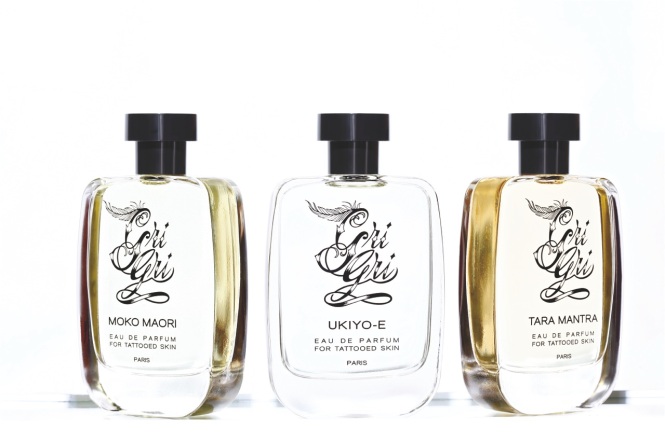
“You don’t suppose the way in which bottles, packaging, colours… context affects our perception of scents could affect the perception of perfume sniffed from tattooed skin?” I ask, almost winking – I’m being a little bit playful because Anaïs has called her new Gri Gri (“good luck charm”) perfume range “perfume for tattooed skin” and I want to find out why.
She considers and nods: “Yes, a psychological effect, absolutely, there could be one. Maybe it would push your imagination a bit further. I see that the more daring people – people who have tattoos – will probably be more attracted to these perfumes.”
I see that the more daring people – people who have tattoos – will probably be more attracted to these perfumes.
Anaïs tells me about her creative process: “My creativity has a kind of incubation period and one day I will embark on a project for reasons that may not be clear at the time – but eventually it will start to make sense. And because I am very organised in my working life, everyone thinks that’s what I’m like, but I’m not like that at all outside work. I write, I think; I circle around different concepts and disciplines.”
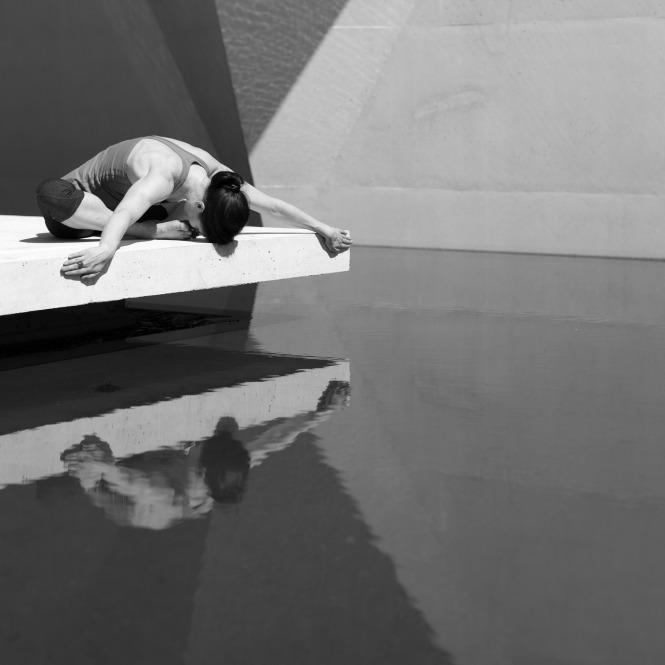 For this range, there was one very specific spark of inspiration, however.
Professeur de Yoga
“I practice Kundalini yoga, which works on muscle groups and parts of your body that you didn’t even necessarily even know were there”, says Anaïs, “and a fragrance should allow you to discover parts of you that were unknown to you as well.”
“Quite often, what you think of as smelling good to you or smelling bad to you is related to your own olfactory recollections,” she explains, “and if it takes you to a good place which unlocks good emotions, that’s going to give you a great experience. So, when creating a fragrance, if you know something is going to smell good, that’s fine, but a good fragrance should also take you someplace – transport you. And it is possible that it will take you somewhere that’s not good, and that’s fine. It’s a risk you have to take to do something completely new.”
It is possible that [a fragrance] will take you somewhere that’s not good, and that’s fine. It’s a risk you have to take to do something completely new.
Anaïs describes herself as a deep thinker and tells me of her daily meditation – we all have eyes to look into the world and meditation gives you the third eye to look inside. And because through meditation she effectively has a meeting with herself every day, it helps with her intuitive creativity.
It was her yoga teacher who sparked off a burning curiosity about tattoos and eventually led to the creation of Gri Gri – perfume for tattooed skin.
“He has a lot of tattoos – and I realised I knew absolutely nothing about tattoos,” says Anaïs about her yoga teacher, “I realised that a lot of very spiritual people have them. I had the same prejudices that many people have about tattoos – that it’s only rebellious people who have them. I realised that tattoo was a universal language, but one I didn’t know anything about.”
“I’ve always been very curious about things and it was natural I should start exploring tattoos next – initially I didn’t think about perfumes at all; just felt bad that I had really misunderstood tattoos and felt remorse for misjudging tattoeed people.”
In some ways, Gri Gri became an artistic apology of sorts. Anaïs felt she had to be thorough, and so studied tattoo history, attended every exhibition she could find, read lots of books – and found a whole world she hadn’t known anything about before.
She quickly realised that there were parallels between perfume which she really understood and tattooing, which she really didn’t.
“A tattoo is a message that goes into your skin and perfume is a message that rests on your skin,” says Anaïs.
Both are costumes that we display to the outer world – messages we send out about ourselves.
Gri Gri
“I am a specialist in narrative fragrances,” says Anaïs, “very caught up in history and stories.” Indeed, her first range Jardins d’Ecrivains was about authors and their gardens – a blend of perfume and literature, two of her great loves and sources of inspiration.
She cites 19th century, baroque and the beat generation as landscapes she likes to travel over and over again and explore in different ways. For Gri Gri, each fragrance is its own story, with the tattoo and its subject as the starting point, which meant that Anaïs was keen to create fragrances based around smells native to that region and unusual raw materials – some of them artist’s impressions made up of naturals and synthetics, some locally-sourced materials.
Anaïs feels synthetics are an important part of fragrance creation: “Synthetics enhance your palette immensely and allow the perfumer to express things one can’t with naturals alone,” she explains. She works with a Japanese technician in a Grasse laboratory to refine each scent. “She’s really good at balance, so we spend a lot of time working together. Every note has to sing,” says Anaïs.
Every note has to sing.
“I had lots of completely crazy materials sent to me from all over the world so I could explore the scent profiles and be inspired,” she explains.
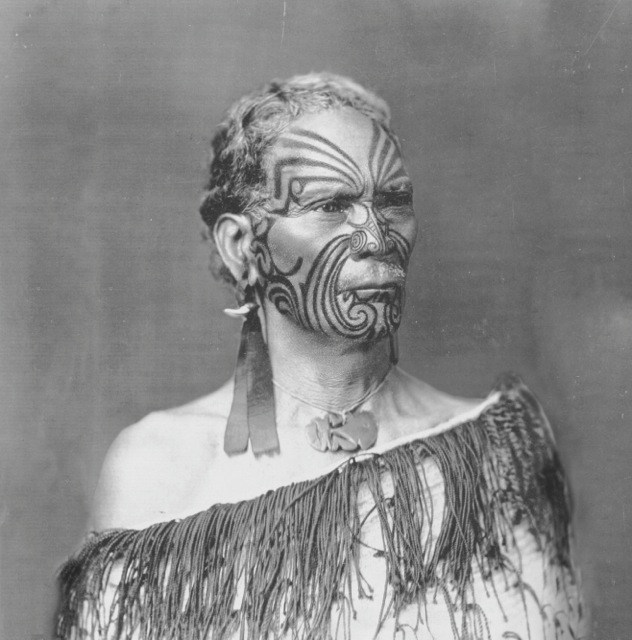
Moko Maori
Anaïs started with the facial tattoos of the Maoris of New Zealand. “Every tattoo tells of a stage in their lives,” says Anaïs, “the symbolic fern-curls found in these shapes led to an obvious theme – fougere. It also happens to be a place where they have the greatest variety of ferns in the world. You’ve got to imagine a forest in New Zealand when you smell Moko Maori.”
Moko Maori opens with a manuka honey accord so realistic I would expect bees to be attracted to the wearer of this scent – it’s not a sugary honey impression, but hay-like and very polleny. The fougere character becomes immediately apparent and the impression is of an ode to the perfumer’s fern, decorated with heavy New Zealand fantasy. The hay and pollen turn out to provide a counterpoint to the fougere-on-steroids accord; a kind of dampener which allows it to be overloaded. When I wore the scent for a few days I got a mental impression of a giant fern totem carved out of soap; of a hyper-lush alien forest full of exotic birds and insects; of a well-to-do body-conscious American juicer-type wearing it after a session with her personal yoga guru. Moko Maori is a genuinely new combination of olfactory impressions, yet achingly on-trend because it could really be described as a feminine fougere (and that’s all the rage right now, boys and girls).
If Anaïs is on trend, she doesn’t attribute it to any kind of planning or market research on her part; just following her gut. She tells me that her methods are intuitive, she composes the scents for herself, and that she loathes the idea of thinking of a ‘target market’ or even a specific person when composing a fragrance.
“Lots of fragrances are born for the wrong reasons,” says Anaïs.
I found this was the one scent out of the whole collection that I couldn’t get out of my mind and felt a real craving to re-visit again and again. It felt like discovering a novel that stays in your dreams after reading it.
Moko Maori official notes list
Top notes: Tussock Grass, New Zealand Flax
Middle notes: Fern, Kowhai, Manuka
Base notes: Lichen, Kanuka

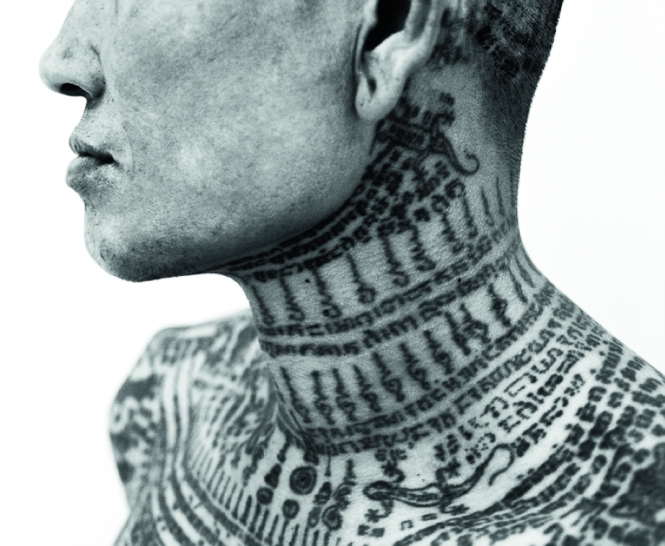
Tara Mantra
According to Anaïs, Tara Mantra is based on Buddhist Sanskrit language which inspires wisdom and introspection. Most of the influence comes from India and Nepal.
Anaïs has chosen a herbal theme for this scent – it opens with a soft saffron accord, much more reminiscent of saffron in food than in perfumery and the fantasy “hing” accord, based on an Asian cooking herb follows. In fact, the whole fragrance has a quasi-edible quality and on wearing it, I found a slightly unsettling fatty animal note lurking underneath, which made the experience like wearing some kind of mystic broth instead of perfume. However, as with all of the Gri Gri scents, I strongly encourage trying them on your skin for a while and seeing what happens. This scent may take you to a place where you want to be.
Many fragrances (and indie fragrances especially) smell better on skin than on scent strips and what could be more appropriate for a range designed for ‘tattooed skin’ than perfumes which require your skin as the last ingredient.
Tara Mantra official notes list
Top notes: Saffron, Cardamom, Hing
Middle notes: Patchouli, Ajowan
Base notes: Lotus, Jasmine, Agarwood
Ukiyo-e
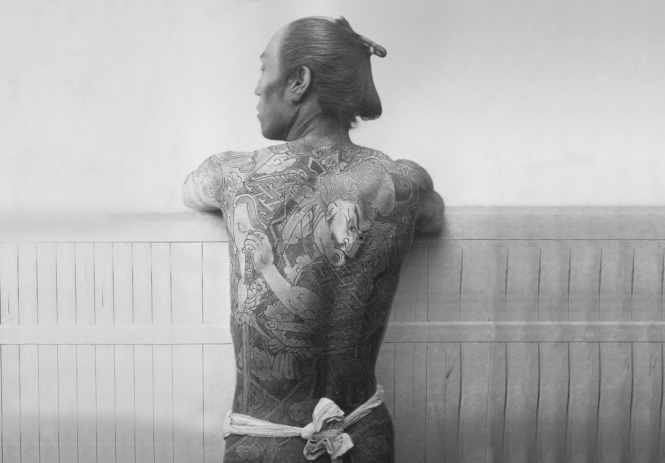
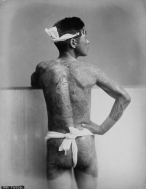
“I learned that the Japanese tattoo tradition was wrapped up in criminal activity, but that it has been largely reclaimed from that in recent years and become a really wonderful artform,” explains Anaïs.
She wanted to make this a very theatrical scent; the most unusual of the three, and based it around a genmaicha tea accord. Genmaicha is blend of green tea and brown rice, and so the fragrance opens with a cereal-type accord which my nose interprets as hazelnut (though I was assured by my partner-in-scent Nick Gilbert that there was a recognisable genmaicha impression in this scent; he studies Japanese and his tutor has treated him to this beverage on occasion).
However, whether a fan of hazelnut or genmaicha – this perfume is a really fun exploration and also (accidentally) rather trendy – there have been praline and nutty accords popping up in scents lately. This isn’t a fashion fragrance, so the nutty-cereal accord is dominant rather than a cautious hint. It’s a scent I really recommend experiencing for yourself, just for the ride. And I have to add this cheeky thought – far from the artistic inspiration of this scent, but one I want to share nevertheless – if you happen to be a fan of the Dove Deep Care Nourishing Lotion with Pistachio and Magnolia, I cannot think of a better perfume for you to layer it with.
Ukiyo-e official notes list
Top notes: Genmaicha, Yuzu, Aralia
Middle notes: Daphné, Green tea
Base notes: Sakura, Ashibi
A new scent from Gri Gri, due out next spring
I was let in on a little secret – Anaïs is putting finishing touches on a new perfume for the Gri Gri range which she hopes to launch next spring.
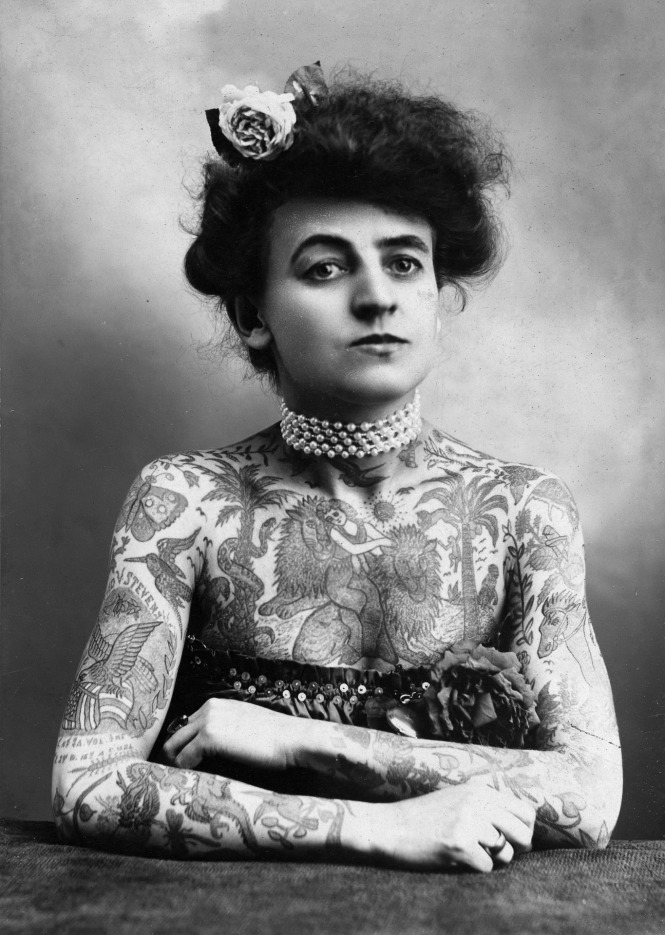
“I was really inspired by the tattooed women of the 1920s and 1930s,” she says, “in some ways they represent real forerunners of female independence to me. But there are also stories of how tattoos were still viewed as something freakish, and tattooed people would sometimes be more at home in sideshows among the bearded ladies.”
Anaïs wanted to play with the idea of turning the shock value up; of creating a scent that would be as bizarre as a head-to-toe tattooed woman in the 1920s, and so, Sideshow was born.
It is a completely bonkers perfume of bubble gum, candy floss, leather and circus animal bedding – almost two scents in one – the pink ballerina tutu twirling into the ring first. It takes a moment for you to realise it’s been worn by a dancing bear.
I wore Sideshow for a night and kept giggling at it, which is usually a good sign – I am not sure if I could get away with wearing this seriously, but on the other hand, I am a huge fan of wearing scents un-seriously.
Flora and fauna tattoos by Tenderfoot Studios

A young Maori man dancing
A Japanese tattoo from the 1890s

Tattoo art by Bicem Sinik via Bored Panda
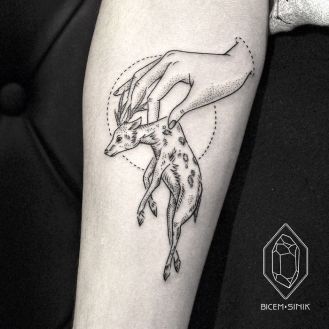
Tattoo art by Bicem Sinik via Bored Panda
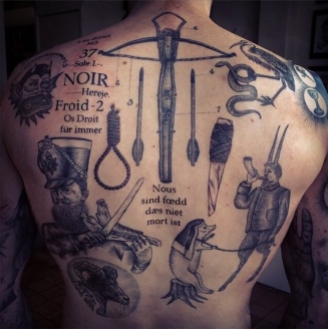
Tattoo art by Kim Rense via Creativebloq
The art of tattoos
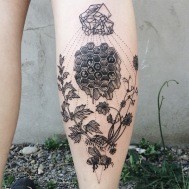
Tattoos have moved on, diversified, developed and become their own art form – above are a few wonderful examples of wearing art on your skin.
Check out these examples:
Tattoo art by Bicem Sinik
41 inspirational examples of tattoo art
Flora and fauna tattoos by Tenderfoot Studios
Double exposure tattoos by Andrey Lukovnikov
“Having a tattoo is a strong statement for someone to make. A tattoo can make you feel stronger,” says Anaïs.
It’s an excellent point. Many people choose tattoos as a way to mark their body after something else has marked it; or as a self-defining act.
On the other hand, with so many styles and inspirations to choose from, tattoos have become just another way for people to decorate themselves and it’s no longer shocking to be tattooed. If Dame Judi Dench has one, I’m pretty sure anyone can.













 It’s no secret that I have
  The cult destination is, of course
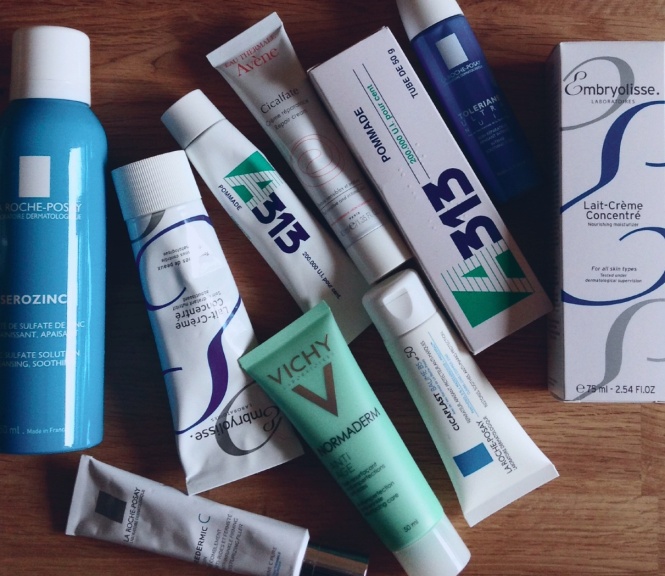
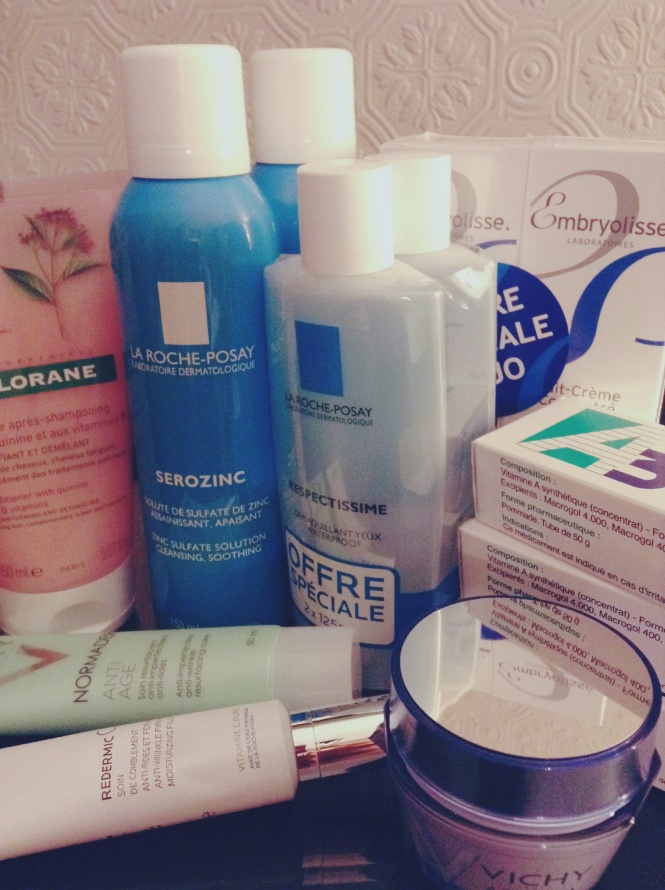
 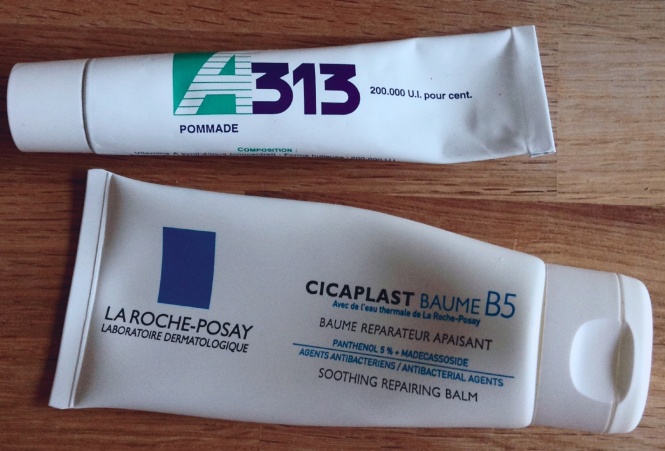 The first product I will recommend is one of the ones you will have to hunt down in person, have a kind friend send over to you, or find a reputable online stockist for. It is worth it. Every decent dermatologist swears by various vitamin-A based (retinol; tretinoid) treatments – when used together with a good sunscreen and moisturiser, these products can really reverse and hold back signs of ageing AND keep blemishes under control. The trouble with prescription-strength products is often that, well, a) you need a prescription, and b) they are harsh and can have side-effects. Not so with the wonder product that is A313 Vitamin Pommade (the closest replacement to the deservedly-cult-hit-among-those-in-the-know, Avibon). My special ‘sauce’ mix for A313 is this: take a small pea-size drop of the balm and blend it with an equal amount of a gentle moisturiser (I like to use
 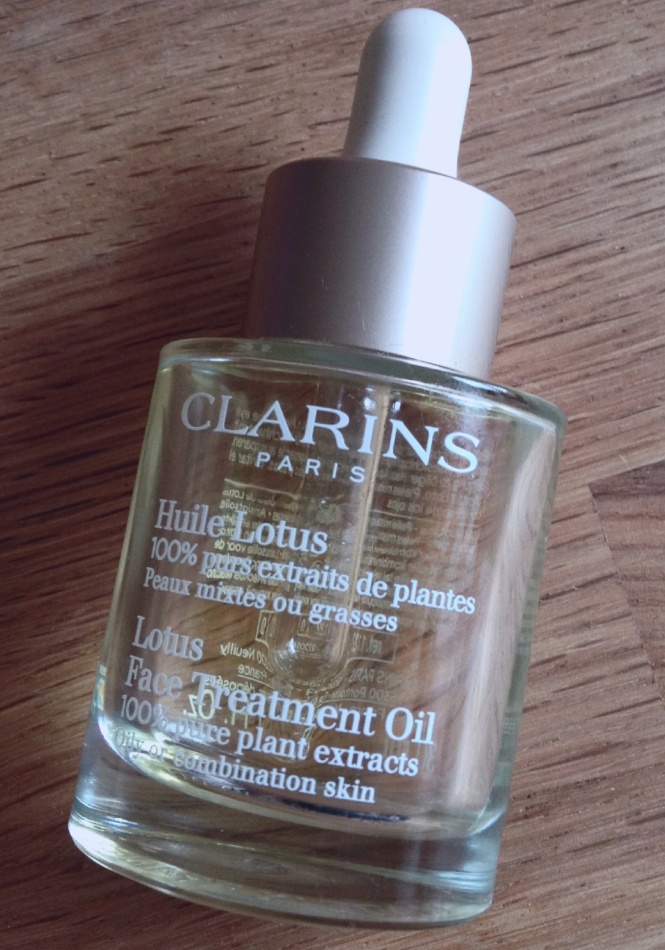 Another special treatment that’s both wonderful for your skin and keeps blemishes in check is
 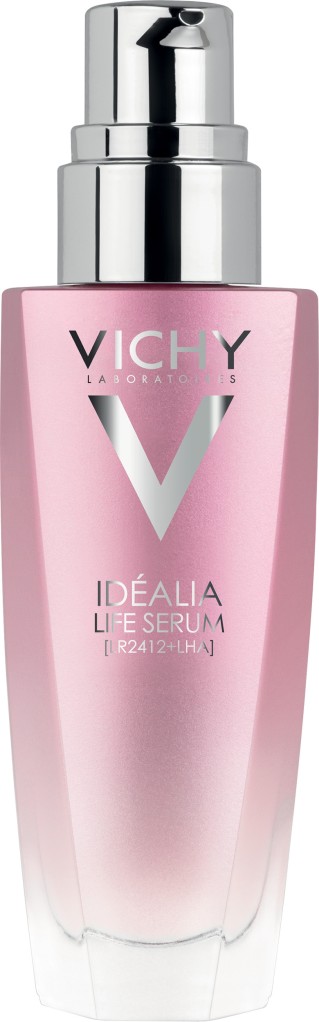 Vichy Idealia range
 Beauty blogger
  One of my favourite new discoveries has been
  Another cult Nuxe product is, of course, the multipurpose hair and body oil –
  Volatile Fiction